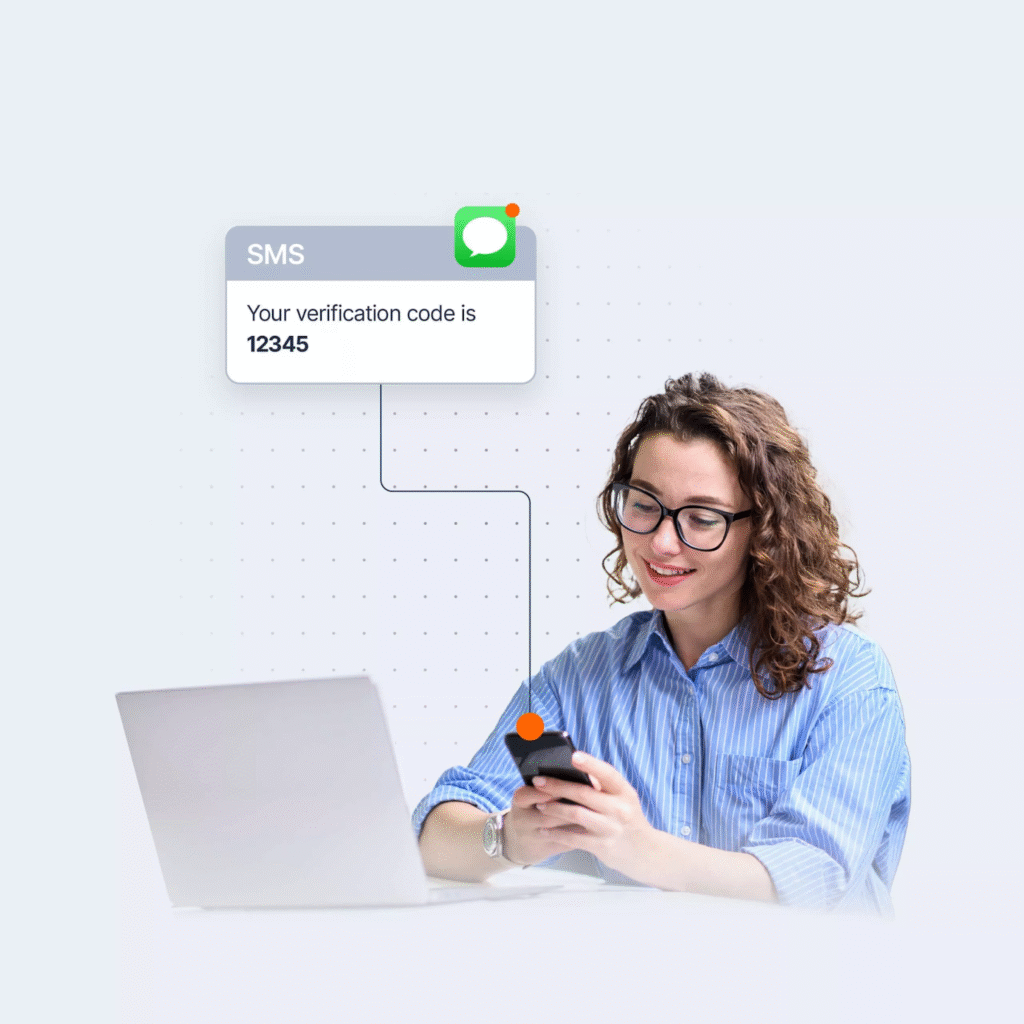
In today’s fast-paced business environment, communication is the lifeblood of every organization. Phone numbers remain one of the most direct ways to connect with customers, prospects, and partners. However, businesses often struggle with inaccurate, outdated, or inactive phone numbers in their databases. These inconsistencies can lead to wasted resources, missed opportunities, and frustrated customers. Phone Number Verification is a critical process that ensures your contact information is accurate, reliable, and ready for efficient communication.
What Is Phone Number Verification?
Phone Number Verification is the process of validating phone numbers to confirm that they are active, correctly formatted, and capable of receiving calls or messages. By verifying phone numbers, businesses maintain clean and reliable contact databases, which reduces communication errors and increases the success of outreach campaigns.
The key benefits include:
- Minimizing failed calls and unreachable contacts
- Increasing the efficiency of marketing and sales campaigns
- Improving customer satisfaction with reliable communication
- Ensuring compliance with telecommunication and data privacy regulations
Without phone number verification, businesses risk wasting time, money, and credibility with customers.
Why Phone Number Verification Matters
Phone numbers are more than just digits—they are the direct line to your audience. Inaccurate numbers can create several challenges:
- Lost Productivity: Employees spend valuable time trying to reach invalid or inactive numbers.
- Ineffective Marketing Campaigns: SMS campaigns, telemarketing, and promotional calls fail when numbers are incorrect.
- Customer Frustration: Missed updates, alerts, or confirmations reduce satisfaction and trust.
- Compliance Risks: Accurate contact information is required by law to prevent spam and ensure proper communication practices.
Implementing Phone Number Verification ensures businesses maintain smooth operations and reliable communication with their audience.
How Phone Number Verification Works
Phone number verification uses multiple methods to ensure accuracy:
- Syntax Validation: Ensures the number follows proper formatting rules for its country or region.
- Line Type Detection: Identifies whether the number is mobile, landline, or VoIP.
- Real-Time Verification: Confirms that the number is active and can receive calls or messages.
- Bulk Verification: Allows organizations to verify large sets of numbers quickly and efficiently.
These processes maintain a reliable and functional contact database, supporting effective communication strategies.
Benefits of Phone Number Verification
Implementing phone number verification provides businesses with significant advantages:
- Increased Productivity: Teams focus on valid contacts rather than chasing incorrect numbers.
- Cost Efficiency: Reduces wasted marketing and outreach efforts.
- Enhanced Customer Engagement: Customers receive timely alerts, notifications, and support messages.
- Reliable Business Insights: Verified numbers provide accurate data for reporting and strategic decisions.
A verified phone number database is an essential resource for operational efficiency, customer satisfaction, and business growth.
Industries That Benefit
Phone number verification is valuable across many industries:
- Sales and Lead Generation: Quickly identify active leads and remove invalid contacts from CRM systems.
- Marketing Departments: SMS campaigns, telemarketing, and phone-based outreach become more effective with verified numbers.
- Customer Support Teams: Ensure follow-ups, alerts, and notifications reach intended recipients.
- E-Commerce and Retail: Deliver order confirmations, delivery updates, and promotional messages reliably.
Across all industries, verified phone numbers improve communication efficiency and operational performance.
Real-Time Verification: Why It Matters
Real-time phone number verification is highly effective for maintaining data accuracy. Unlike static lists, which quickly become outdated, real-time verification confirms whether a number is active at the moment of contact. This reduces failed communications, improves engagement rates, and ensures every outreach effort reaches its intended audience. Real-time verification also saves time and resources by focusing efforts on valid contacts.
Best Practices for Phone Number Verification
To maximize the benefits of phone number verification, businesses should:
- Audit Existing Data: Identify outdated, inactive, or unverified numbers in the database.
- Select the Right Verification Method: Choose between bulk verification, real-time validation, or automated tools.
- Integrate Verification Tools: Incorporate verification into CRM, marketing, or contact management systems.
- Maintain Data Regularly: Continuously verify new and existing numbers to keep data accurate.
Following these best practices ensures businesses maintain a clean, reliable, and actionable contact database.
Conclusion
Phone Number Verification is no longer optional—it is an essential component of modern business communication. From marketing and sales to customer support and e-commerce, verified phone numbers ensure that every interaction reaches the right person at the right time.
Implementing phone number verification increases productivity, reduces costs, enhances customer satisfaction, and ensures regulatory compliance. Verified phone numbers are more than data—they are a strategic asset that drives engagement, strengthens customer relationships, and supports long-term business growth.
Businesses that prioritize phone number verification gain a competitive edge, ensuring accurate communication, stronger relationships, and measurable results from every phone interaction. Accurate and verified phone numbers are the foundation of successful communication and sustainable business performance.
About the Author
